Akita Face Wash Review

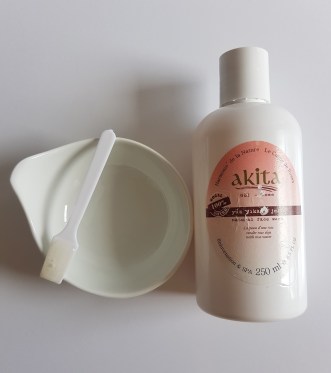
Akita is a skincare company founded in Turkey specializing in rose water and rose oil skincare. They have four different product lines; rose, lavender, cacao and unscented and use natural plant-based ingredients. I bought a number of Akita’s rosewater products, and the 100% natural face wash with rose water was the first one I tried.
rose cleanser1

Ingredients: Aqua, potassium oleate, glycerine, rosa damascena flower water, potassium salt of coconut fatty acid, olive oil, potassium citrate, rosa damascena flower oil, panax ginseng, salicylic acid, glycolic acid, green tea extract, potassium sorbate

A bit more detail on some of the ingredients – Potassium oleate is a salt and a fatty acid that prevents ingredients from separating. The rosa damascena flower water is rose water made from distilling the petals. Rose water is apparently anti-aging and moisturizing, smooths fine lines is an antioxidant and anti-inflammatory. Potassium citrate is the salt form of citric acid used to naturally preserve products and adjust acidity. Panax ginseng can help tone and brighten skin. There is salicylic acid and glycolic acid, BHA and AHA respectively. Salicylic acid helps breakouts, blackheads and skin texture as it can clean deeper inside the pore and glycolic acid can be effective in treating fine lines and uneven skin texture and tone.

I like the ingredient list and was hopeful this would become my go-to cleanser. This product claims to clean dirt and oil from deep within pores while not over-drying skin. The website says this cleanser is oil-free, but it does contain olive oil and rose oil.

This cleanser is a very pale yellowish color and smells like those small bottles of body wash one would find in an economy hotel (not the best smell). It doesn’t suds up too much. As a cleanser, it does its job well.  On the first use as I was rinsing I was struck by how much friction there was between by fingers and my face. It was actually difficult to trace a smooth line across my cheek with my finger without the pause of the friction; there was definitely a very squeaky clean feeling (not in a good way). The cleanser seemed to rinse well, so I was unsure if this friction was due to leftover residue or if the cleanser stripped my skin that much. Once my skin was dry there was still the squeaky feeling, which mostly went away after spraying my face with a toner. I used this in the morning and evening and by about the fifth day my skin felt very dry and by the seventh day the skin on my nose started flaking. I used it for three more days and then had to give up using it as a face wash. I tried using as a body wash, but this also made my skin feel dry and overly squeaky on rinsing. So unfortunately, this rose water cleanser did not work for me. I have since used Akita’s hand cream, roll-on deodorant and 100% pure rose water which I quite liked (the hand cream is a new favorite).
 

Michael Todd Charcoal Detox Deep Pore Gel Cleanser Review

michael todd charcoal cleanser michael todd cleanser front michael todd cleanser

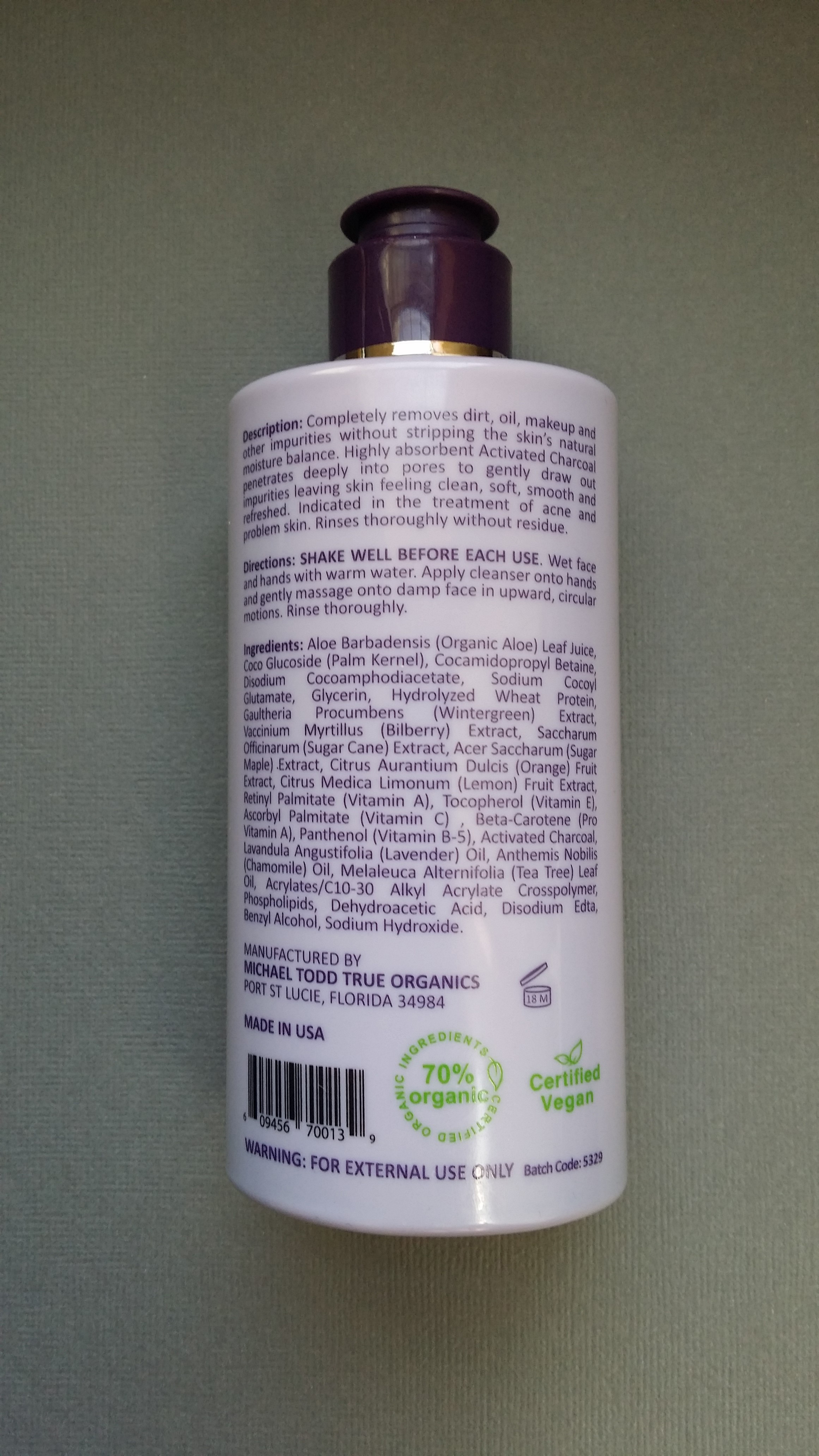
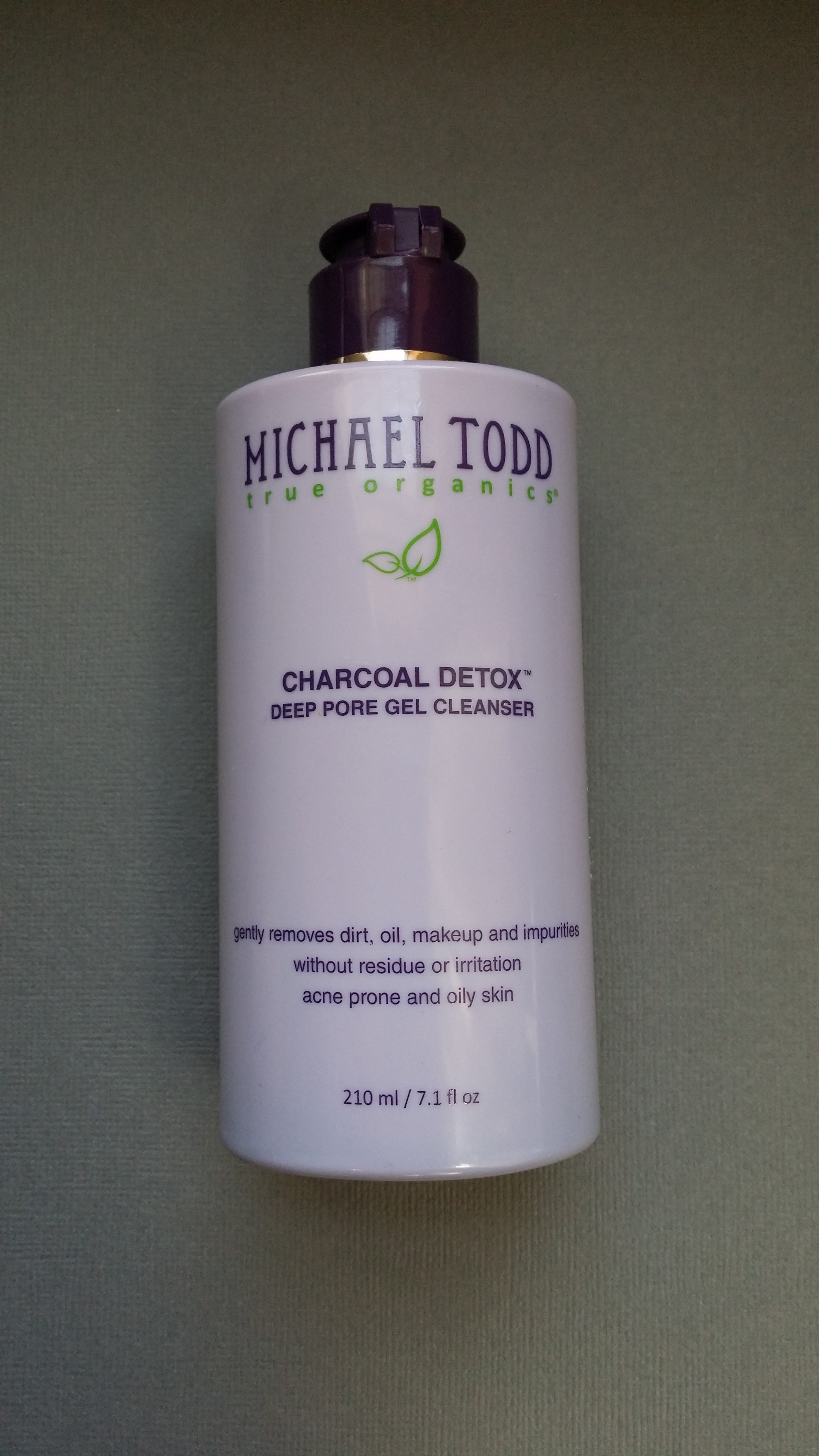
I have been using the Michael Todd Charcoal Detox Deep Pore Gel Cleanser for about 3 months. This cleanser is for oily and acne prone skin and claims to remove dirt, oil and makeup without stripping the skin of its natural moisture. It also claims that the absorbent activated charcoal penetrates into pores to draw out impurities and blockages. This product is certified vegan, uses 70% organic ingredients and is made in the USA. Directions state to shake well before each use.

The packaging of this product could be improved. It comes in a bottle with a pop-off type lid.  I prefer products with a pump, or better yet, an airless pump that reduces the risk of impurities and bacteria entering the product. *Please see note below.

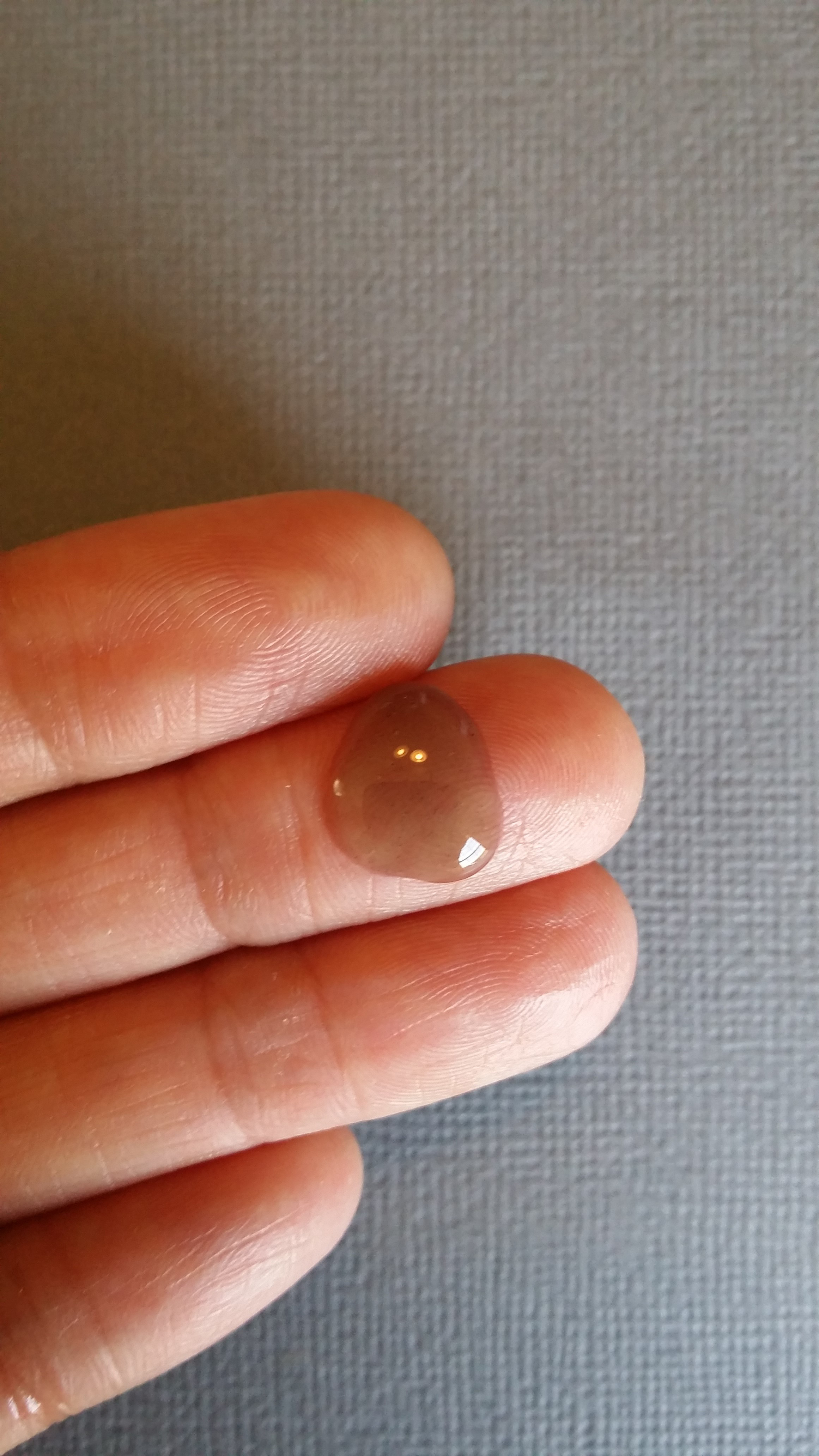
I use a dime size amount of this cleanser morning and night by massaging onto my face and neck for about a minute. At  night I use this with my Clarisonic Mia. This gel cleanser feels nice on the skin and doesn’t lather much. I find that too much lather such as a foaming cleanser can make the skin feel dry and tight. It rinses nicely with no residue and the skin feels soft, oil-free and clean with no tightness.

Looking over the ingredient list (I won’t go over each ingredient, but will mention some perhaps unfamiliar ingredients or ingredients that stand out to me), aloe leaf juice is first. Aloe contains two hormones,  auxin and gibberellins, that have anti-inflammatory properties and can help minimize acne and promote cell growth. Being a rinse-off product, these benefits might be minimized as opposed to a leave-on product. Tea tree oil also has antibacterial and anti-inflammatory properties. This cleanser uses a number of plant extracts that could be irritating to the skin; wintergreen, orange, lemon, lavender. I, however, have not experienced any irritation. Bilberry, sugar cane and maple extracts are the ninth, tenth and eleventh ingredients and are sources of AHA (alpha hydroxy acids) used as exfoliating agents to aid in cell turnover. Oily skin needs help exfoliating. I was surprised to see activated charcoal toward the bottom of the ingredient list at number nineteen of twenty-eight. Being called “charcoal detox cleanser”, I would have expected it to be towards the top. *Please see note below.

The name of this product, Charcoal Detox Deep Pore Gel Cleanser, to me, implies that this detoxes the skin. This cleanser claims that the charcoal is able to penetrate the pores and draw out impurities. Activated charcoal, when taken internally at the right time as an emergency treatment, may help with food poisoning or a stomach flu as it absorbs most toxins and poisons before they can harm the body. It is also used in water filters. Can activated charcoal draw out impurities and detox the skin? I looked at PubMed for any articles relating to charcoal detoxifying or purifying skin and could not find any. I did find that charcoal can help with odors of blistering skin and skin loss related to wounds such as open ulcers from diabetes, for example. So it seems that charcoal will not help with intact skin (from what I could find).

It may be that cleansers such as this with activated charcoal rely on other good ingredients that cleanse, exfoliate and help heal the skin such as the aloe juice, sugar cane extract and tea tree oil.

This cleanser has retinyl palmitate and beta carotene. Acrylates/C10-30 alkyl acrylate crosspolymer can combine to water and oil to create a smooth consistency and can also be used as a stabilizer. Benzyl alcohol is second-last on the list. This type of alcohol can be problematic in high amounts, but nothing to worry about in this product.

Throughout my few months of using this twice a day, my skin hasn’t been irritated and does not feel dry after use. My skin is very oily by the evening and this washes away the oily feeling without leaving a dryness. I don’t usually wear makeup, but when I do this cleanser is able to wash it away. Compared with other cleansers I have used in the past, this one seems to indeed be helpful for my oily skin and helped clear up some bumps and congestion on my forehead.

Despite activated charcoal popping up in many skincare products, I could not find any science-based evidence that it works to detox the skin and purify pores. It might be a logical jump though; if activated charcoal can absorb toxins/poisons from the body to prevent further harm, it might pull out impurities and toxins from the skin. Perhaps clever marketing? In any case, I like this cleanser, I don’t find it very expensive and it lasts a long time. I like that it has no artificial colors or fragrance. It does have a smell that may bother some. It is pretty strong in the jar, but when taking a bit to spread on the face, it wasn’t so bad. I couldn’t put a name to the smell and when I asked my husband, he said it smelled like lilacs in acid…a pretty good description actually. I don’t mind the smell though and it is being washed off anyway.

*Note: Since buying this, I note on the website that the packaging has been changed to a pump. The ingredients have also changed a bit. The activated charcoal is third and twentieth on the list. Why that would be I am unsure, and it looks like they took out the benzyl alcohol. On the Michael Todd website, it states that they are always improving formulations and ingredients and the ingredients on the website should be taken as up-to-date.